Finding Your Bar Mitzvah Torah Portion by Date
How to find a Bar Mitzvah Torah portion by date: the Hebrew birthday, the Shabbat he reads, and the parasha to open in ToraClick.
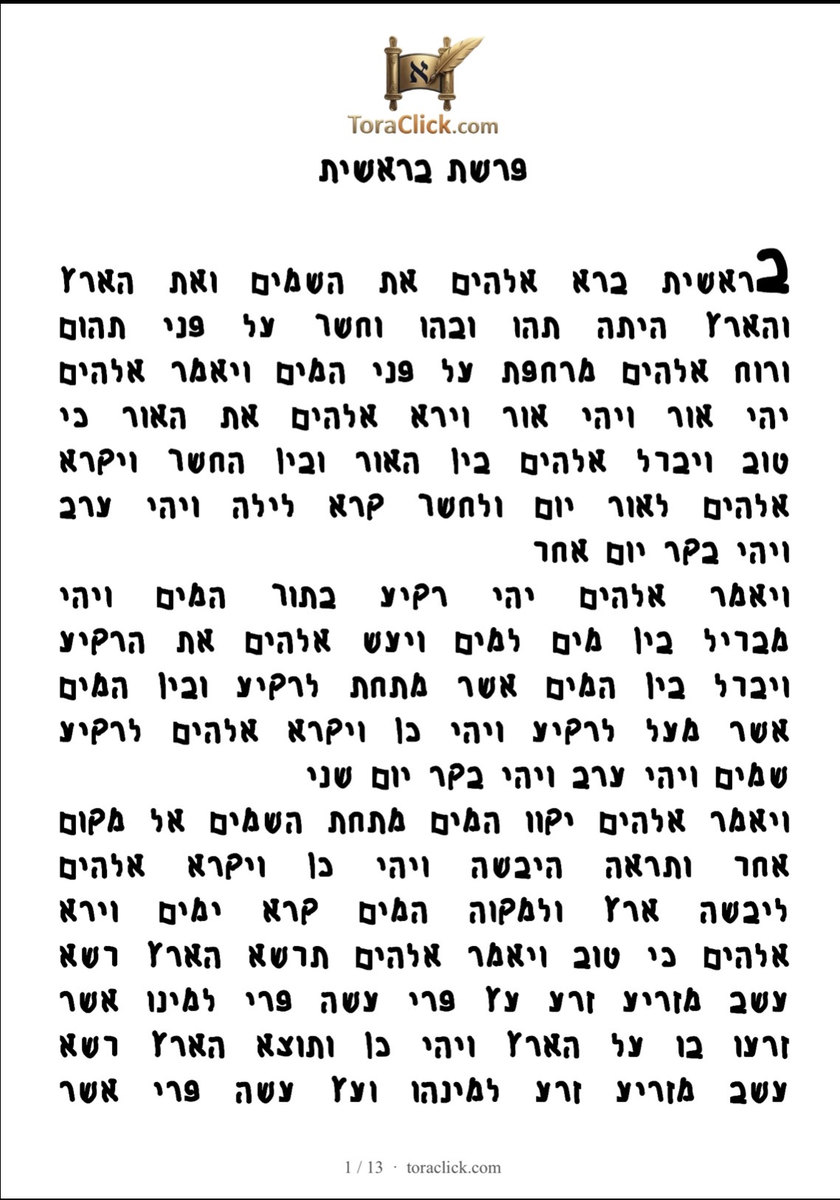
The date that matters is a Hebrew date
A search for a Bar Mitzvah Torah portion by date usually starts from a civil birthday. The Jewish calendar is the one that decides the day he becomes bar mitzvah. A boy reaches that responsibility at thirteen years by the Hebrew calendar, on his Hebrew birthday. The year, the month, and sometimes the hour of birth can matter, especially around the boundary of a day, which in Jewish time begins in the evening. If you are not sure of the Hebrew birthday, ask a rabbi or use a reliable calendar together with him, and then confirm the result. Do not build the celebration, or the learning, on an unverified conversion. Write the Hebrew date down. The parasha comes after that date, not before it. This article cannot calculate a birthday for you. It can show you what to ask, and what to do when you have the answer.
Which Shabbat is his bar mitzvah parasha
The portion people call his bar mitzvah parasha is the Torah reading of the Shabbat when he reads, or when the family celebrates the reading. Often that is the first Shabbat on or after he turns thirteen. Communities sometimes move the public reading to a later Shabbat because of travel, school, or the synagogue’s calendar. The later week is then the portion he should learn, because it is the portion he will actually stand before. Ask the rabbi two questions, and write down both answers. On what civil date is the Shabbat of his reading? What is the name of the parasha that Shabbat? Those two lines are enough to begin. Guesses from a general website are how families learn the wrong week beautifully. A rabbi who knows the synagogue’s calendar is the right source.
Israel, the Diaspora, and double portions
The weekly cycle has fifty-four portions for the weeks of the year, and some Shabbats read two of them together so the cycle finishes in time. In some years the calendar in Israel and the calendar outside Israel part company for a few weeks, often around the festivals, and then they meet again. A boy whose family will celebrate in one place and whose relatives looked up the date in another can be handed two different names. Ask which calendar the synagogue is using. If a Shabbat is a double portion, ask whether he is reading from the first, the second, or both, and whether a festival reading replaces the weekly parasha. Holiday readings are their own map. None of this is a reason to panic. It is a reason to confirm the name before he memorizes an opening line. The Parasha Finder will open whichever of the fifty-four you choose. It will not choose for you.
From a name on a calendar to a line on the page
When you have the name, open ToraClick’s Torah reader and the Parasha Finder. Choose the book: Bereshit, Shemot, Vayikra, Bamidbar, or Devarim. Then choose the parasha. Each one shows its opening chapter and verse, so you can match it against the chumash or the calendar in your hand. The reader goes to that page, places the first line in the middle, and highlights it in yellow. The highlight fades after a few seconds. Read that highlighted line aloud and compare it with the first words your rabbi or chumash gave you. If they disagree, stop and ask. Do not print yet. A yellow line on the wrong portion is still the wrong portion. The finder locates the parasha by its opening words in the book, which is why the line you see is the traditional beginning and not a guess from a verse number alone.
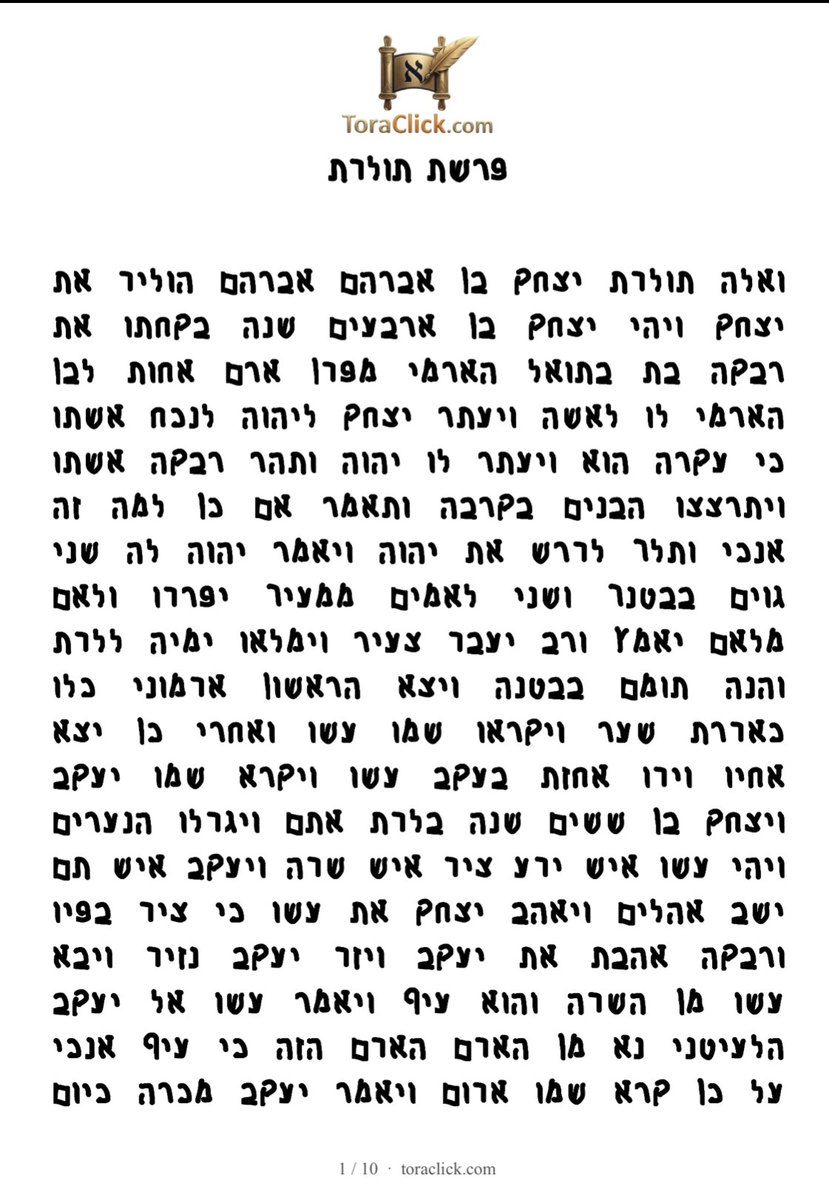
See the column, then decide what he will learn
After the name is confirmed, look at the same place in the Torah Scroll viewer. The viewer shows the Sefer Torah format, 245 columns of 42 lines. He can see the portion as a reader in the synagogue will meet it, in his own handwriting if he has already drawn the letters. Drawing comes first if you want those letters: on the homepage he draws each Hebrew letter once, including the five final forms, then the text is rebuilt in his hand. The order can also be reversed for a first look: find the portion in the default letters, confirm it, and draw afterward. Either way, the portion and the handwriting meet. How much of it he will read, and whether he reads the haftarah as well, is the rabbi’s and the teacher’s decision. ToraClick holds the text. It does not set synagogue policy.
When the date moves
Plans change. A postponed Shabbat is a different parasha, even if the Hebrew birthday does not move. The birthday is when he becomes bar mitzvah. The parasha is the reading of the week you celebrate in public, if that is your custom. If the date moves, change the name in the Parasha Finder and begin again from the new first line. Keep the old page only as a memory, and do not keep studying it by habit. This is also why a printed keepsake should wait until the Shabbat is firm. You can still practice the skill of reading, in any portion, while the date is being set. For a study rhythm once the portion is firm, use how to prepare for your Bar Mitzvah parasha. For the printed page, use print your parasha in your own handwriting.
A short checklist
Confirm the Hebrew birthday with someone qualified. Ask which Shabbat he will read, in the community that will host him. Write the parasha’s name, and note if it is a double portion or a festival week. Open the Parasha Finder and match the yellow line to the opening words. Look at the Torah Scroll viewer. Then start the quiet work of reading. ToraClick is a non-profit, made in Israel, and everything is free. A voluntary contribution or “I’ll do a good deed” is optional support, not a toll. ToraClick does not replace the mitzvah of writing a Sefer Torah, and it does not fulfill it. Finding a portion is an act of attention. It puts the right words in front of a boy who is about to be responsible for them. That is the right use of a date.
Frequently asked questions
Does Parasha Finder look up a Bar Mitzvah by civil date?
No. You confirm the Hebrew birthday and the Shabbat of the reading with a rabbi or a reliable calendar. Then you choose that parasha by name. The finder opens it and highlights the first line in yellow until the highlight fades.
What if Israel and my city read different portions that week?
Ask which calendar the synagogue will follow. In some years the readings differ for a few weeks. Learn the portion he will actually hear and read, not the portion a different community reads on that civil date.
What if his celebration is not on the first Shabbat after he turns thirteen?
Then his bar mitzvah Torah portion is the reading of the Shabbat when he will read. The birthday still marks when he becomes responsible for the mitzvot. The parasha follows the week of the reading.
Can I print the portion after I find it?
Yes. Once the name is confirmed, the Parasha Finder can download that parasha as a PDF in his handwriting, after he has drawn the letters. ToraClick does not replace a Sefer Torah. The file is a study copy.